
LIONS MANE
Description
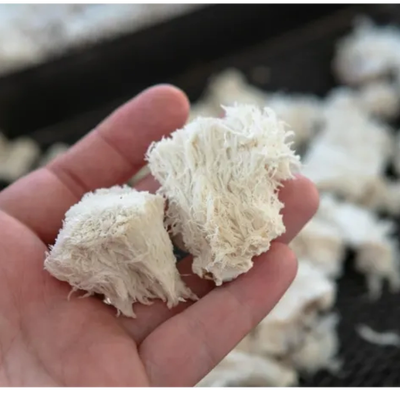
Unlike your typical cap-and-stem mushroom, the Lion’s Mane (Hericium erinaceus) looks like a cluster of white, cascading icicles or a shaggy pom-pom. Often found growing on hardwood trees like oak or beech, its striking appearance has earned it nicknames like the "Bearded Tooth" or "Satyr’s Beard." When fresh, it is snowy white; as it ages, it turns a golden-brown hue.
Flavor & Texture Profile
Lion’s Mane is famous for its seafood-like qualities.
- Taste: Mild, sweet, and savory—strikingly similar to crab or lobster.
- Texture: Meaty and stringy. When sliced and seared, the exterior gets crispy while the inside remains tender and succulent.
The Perfect Pairings
The Lion’s Mane mushroom is a culinary shapeshifter, but it shines brightest when treated like premium seafood. To complement its "lobster of the woods" profile, reach for a buttery Chardonnay or a crisp Sauvignon Blanc; the acidity cuts through the richness of a buttery sear perfectly. If you’re a beer lover, stick to lighter brews like a citrusy Witbier or a clean Pilsner to ensure the delicate fungi flavors aren't drowned out. When it comes to the cheese board, look for melting varieties that offer a nutty backbone without being too pungent—Fontina, mild Gruyère, or a creamy Goat Cheese are all stellar choices. In the pan, the golden rule is simplicity: sauté with heavy butter, fresh garlic, and a squeeze of lemon to mirror a classic scampi.
Medicinal & Wellness Benefits
Lion’s Mane isn't just a culinary treat; it’s a powerhouse in the world of functional fungi. It is most famous for containing hericenones and erinacines, compounds that may:
- Support Cognitive Function: Known as a "nootropic" that may improve focus and memory.
- Nerve Regeneration: Studies suggest it may stimulate Nerve Growth Factor (NGF).
- Anti-Inflammatory: Packed with antioxidants that support immune health and reduce gut inflammation.
Try This at Home: Featured Recipes
Ready to get into the kitchen? Martha Stewart’s team and other top chefs recommend treating these like a delicate protein.
- Martha Stewart’s Roasted Mushrooms Pro Tip: Swap the standard creminis for Lion's Mane slices to elevate this simple roast.
- Lion’s Mane "Crab" Cakes “This recipe from The Forager Chef masterfully utilizes the natural, stringy texture of Lion’s Mane to mimic lump crab meat. By dry-roasting the mushrooms first to intensify their flavor, you create a cake that is indistinguishable from the coastal classic.”
Quick Cooking Tip: Lion’s Mane holds a lot of water. Start by "dry sautéing" the slices in a pan without oil or butter for 2–3 minutes to release the moisture, then add your butter and aromatics for that perfect golden crust.